Residential Concrete Patios in Rittman
Request a patio estimate
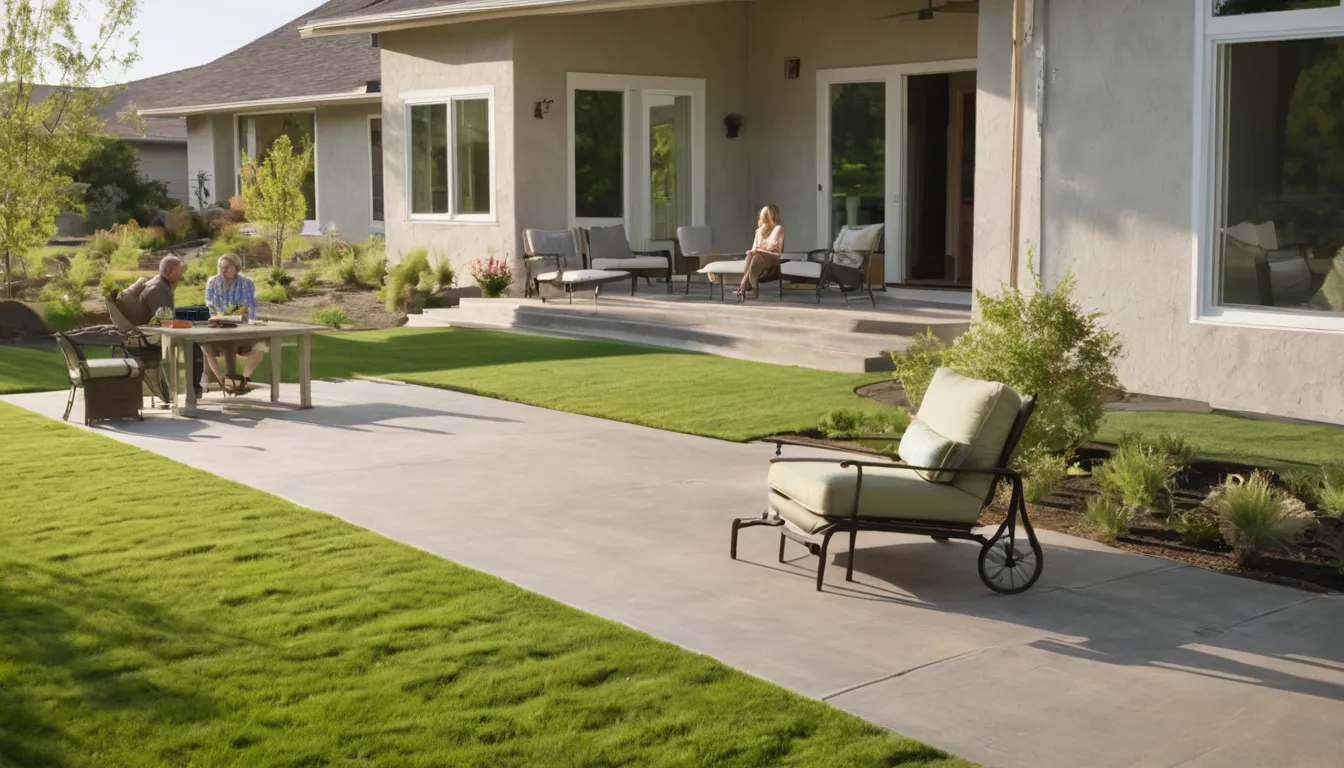
Novtrq Concrete is a referral service. We do not pour concrete. You send us your patio request, and we pass it to an independent provider in our network. That provider looks at your yard, gives you a written quote, and does the work.
Why use a referral service? It saves you the legwork. You describe the job once. The provider you are matched with can talk through size, finish, drainage and timing. You decide if the quote fits. There is no obligation. We also share simple care tips so your new patio holds up through frost, heat and heavy rain in the Rittman area.
Short Answer: Yes, You Can Start Now
A new concrete patio is a good project for most yards. Start with an estimate request. A local provider then looks at your space and gives you a written quote.
Timing matters here. Concrete needs mild weather to cure well. Booking early gets you a spot before the busy season fills up.
Who Does What
Novtrq Concrete is a referral service. We take your request. We pass it to an independent provider in our network. The provider does the work, signs the quote and answers for the job.
We do not pour, cut or finish concrete. We do not set your price. That is between you and the provider.
How Your Request Gets Routed
You fill out the form or call. We note your town, your patio idea and your timing. Then we match you with a local provider who takes that kind of job.
Call hours vary by provider. Request a callback to check provider availability.
Why Homeowners Pick Concrete
Concrete is tough. It handles chairs, grills and foot traffic. It does not rot or need repainting.
It also fits many homes. A plain slab suits a ranch house. A finished surface can match an older frame house or a bungalow.
Fewer Chores Over Time
You sweep it. You rinse it. You seal it every few years. That is most of the work.
What a Patio Project Includes
The exact list depends on the provider. Most jobs follow the same path.
- Measuring and marking the space
- Removing grass, old pavers or a worn slab
- Building and compacting a gravel base
- Setting forms and, often, steel or fiber reinforcement
- Pouring, leveling and finishing
- Cutting joints so the slab can move
- Curing and a first seal
Ask the provider to list each step in the quote. A clear quote avoids surprises.
Sizing Your Patio
Start with how you will use it. A bistro table needs less room than a grill, a dining set and a few chairs.
Many homeowners plan about 10 by 12 feet as a small seating area. Larger families often want more. Mark the shape with a hose or spray paint. Set your furniture inside it. Walk around. Adjust.
Thickness Matters
A typical patio slab is about four inches thick. Heavy items like a hot tub may need more. Ask the provider.
Finish Options
The finish changes how the patio looks and feels underfoot.
- Broom finish: Light texture. Good grip when wet.
- Smooth trowel: Clean look. Can be slick, so use it under cover.
- Exposed aggregate: Small stones show through. Hides wear.
- Colored or stained: Adds tone without changing the shape.
- Stamped patterns: Look like stone or brick. Stamped concrete patios have their own page on this site.
Pick grip first. Then pick looks.
Drainage and Your Foundation
Water is the biggest risk to a patio. It also matters for your house.
Many homes here have full basements with sump pumps. If the patio slopes toward the house, water can collect at the wall. That is a problem for your foundation. Ask the provider to slope the slab away from the house, usually about one quarter inch per foot.
If you already see cracks in the basement wall or a wet floor, talk to foundation repair experts before you pour. Fix the cause first. Then build.
Downspouts and Grading
Keep downspouts clear of the slab edge. Make sure the soil beside it drains too. Spring flooding finds weak spots fast.
Built for Frost and Heat
Cold winters with deep frost push on concrete. Hot humid summers and sudden storms add stress.
A good base drains water away. Air-entrained concrete resists freeze and thaw. Control joints guide cracks into straight lines. Ask the provider about each one.
Choosing a Provider
You are hiring an independent business. Treat it that way.
- Ask for a written quote with the scope listed.
- Ask what base and thickness they plan to use.
- Ask how they handle drainage and joints.
- Ask about timing and weather delays.
- Ask who handles cleanup.
Check licensing and insurance rules in your area. The provider should be able to tell you what applies. Providers do the work. We do not vouch for any one job.
Concrete Flatwork Beyond the Patio
Patios are one type of concrete flatwork. Walkways and pads use similar methods. Some providers can add a path from the patio to the back door in the same visit. Ask when you request your estimate.
Caring for Your New Patio
Seal it, drain it. That is the short version.
First Weeks
Keep heavy loads off for the time the provider gives you. Keep pets and kids off the wet surface. Water it lightly if the provider says to.
Every Year
- Sweep and rinse.
- Clear weeds from joints.
- Check that water still runs away from the house.
- Fill small cracks early.
Winter Habits
Use plastic shovels. Skip rock salt, which can scale the surface. Sand gives grip instead. Wait a few weeks after the pour before any de-icer, and ask your provider first.
Reseal on Schedule
Most sealers last a couple of years. Hail and heavy storms can wear them faster. Reseal when water stops beading.
What If the Slab Cracks Later?
Thin hairline cracks can happen in any slab. Cracks that widen, or sections that sink, need a look. Concrete driveway repair and other fixes belong to a provider, not to a do-it-yourself patch. Some homeowner policies may cover sudden damage. Check your policy. Providers can often help document damage for a claim.
What's Included
Site Prep
Marking the layout, clearing grass or an old slab, and setting a firm gravel base.
Forms and Reinforcement
Wood forms hold the shape. Steel or fiber helps the slab resist cracking over time.
Pour and Finish
The provider places, levels and finishes the concrete to the texture you choose.
Joints and Curing
Cut joints guide cracks. Proper curing helps the slab gain strength.
Typical Patio Costs in the U.S.
Prices vary by size, finish, site access and local labor. These are typical U.S. ranges only. Ask each provider for a written quote that lists what is included.
| Item | Typical range | Notes |
|---|---|---|
| Basic broom-finish patio | $6 – $12 per sq ft | Plain slab, standard base |
| Stamped or patterned patio | $12 – $25 per sq ft | Pattern and color add labor |
| Exposed aggregate finish | $8 – $18 per sq ft | Texture hides wear |
| Removing an old slab | $2 – $6 per sq ft | Depends on thickness and hauling |
| Base and grading work | $1 – $4 per sq ft | Poor soil raises the price |
| Sealer | $1 – $3 per sq ft | Reapply every few years |
How It Works
Send Your Request
Tell us your town, patio size idea and timing using the estimate form.
We Route It
We pass your request to an independent provider in our network.
Review the Quote
The provider contacts you, looks at the space and sends a written quote.
Choose and Schedule
You decide. If you hire, the provider sets the date and does the work.
Why Call Novtrq Concrete
Plain Referral Model
We refer. They pour. You always know who does what.
Local Providers
Independent providers know area soil, frost depth and weather.
No Obligation
Request an estimate and compare. You choose whether to hire.
Care Tips
Simple advice on sealing and drainage so your patio lasts through hard seasons.
Other Services
Need residential concrete patios in Rittman?
Tell us about your driveway or patio project. Request an estimate and a local provider in our network will follow up. No obligation.
No obligationResidential Concrete Patios FAQ
How thick should a concrete patio be?
Most residential patio slabs are about four inches thick. Heavier loads, like a hot tub, may need more. A provider can check your plans and soil, then put the thickness in the written quote.
How long before I can use a new concrete patio?
Many providers say light foot traffic is fine after a day or two. Furniture and heavy items usually wait longer. Follow your provider's cure timing, since weather changes it.
Does Novtrq Concrete pour the concrete?
No. Novtrq Concrete is a referral service. We pass your request to an independent local provider in our network. That provider gives the quote, does the work and handles the job.
We service you here
Tell us what happened
Tell us about your driveway or patio project. Request an estimate and a local provider in our network will follow up. No obligation.
No obligation